Batteries and Charging
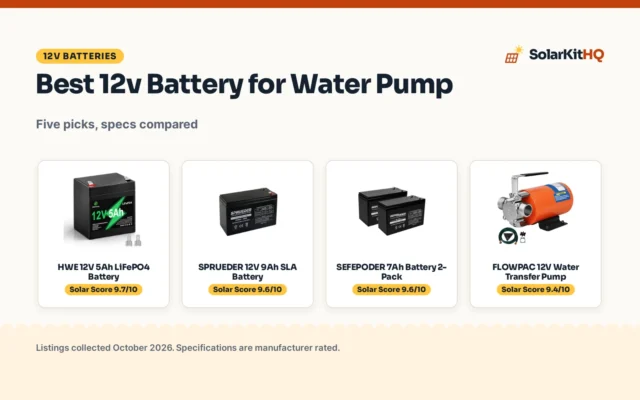
Best 12v Battery for Water Pump (2026): 5 Picks Compared
Five 12V batteries and transfer pumps for water pump jobs compared on stated capacity, protection, terminals and warranty terms, with every figure taken from…
LiFePO4 batteries, deep cycle and RV batteries, battery chargers, maintainers and battery monitors compared by amp-hours, voltage, BMS details and warranty.
Five 12V batteries and transfer pumps for water pump jobs compared on stated capacity, protection, terminals and warranty terms, with every figure taken from…
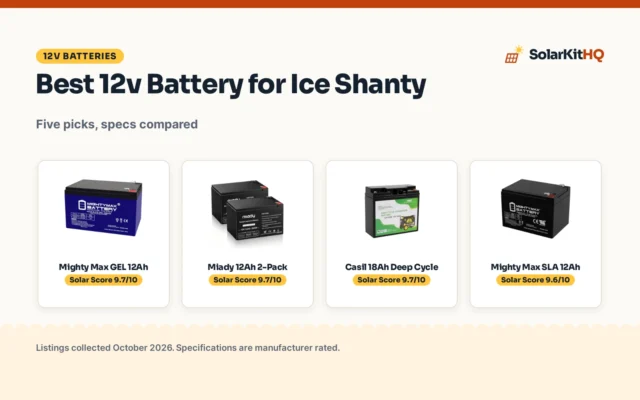
Five 12v batteries compared for ice shanty use, from a GEL battery to an 18Ah battery, plus a title-only 40AH listing, with capacity and…
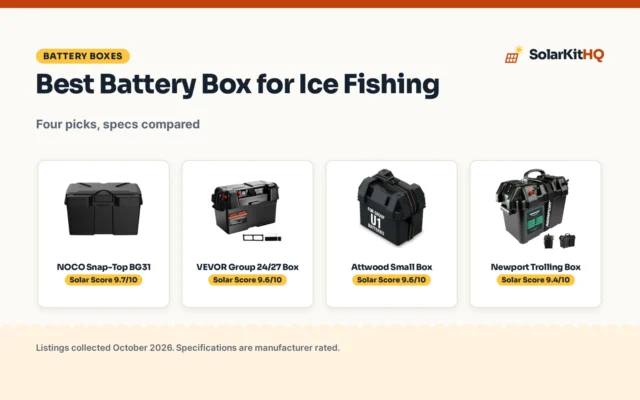
Four battery boxes compared for ice fishing use, from a snap-top box to a port-equipped box, plus two title-only listings, with fit and warranty…
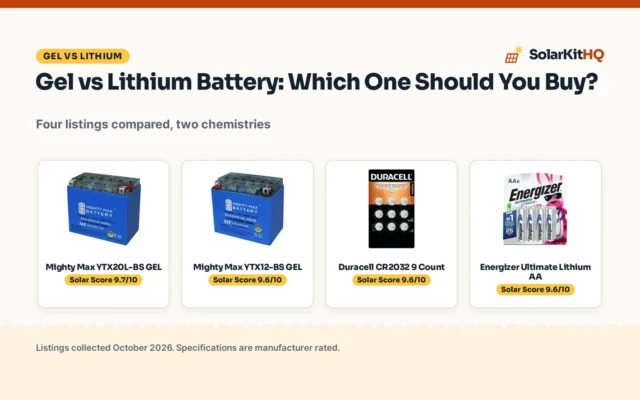
Gel vs lithium battery chemistry compared through four listings: two sealed gel blocks and two lithium cell packs, with voltage, capacity, storage and warranty…
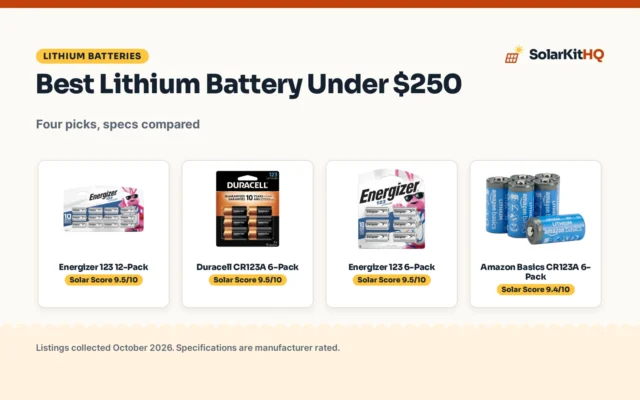
Four CR123A lithium batteries for cameras, flashlights and smart home devices, compared on pack size, voltage, storage and stated warranty terms.
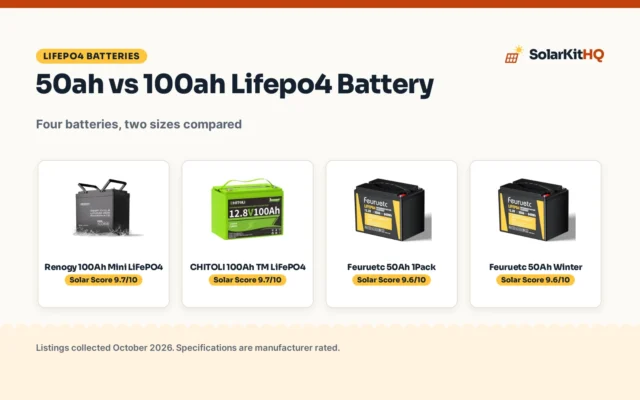
Two 50Ah and two 100Ah LiFePO4 batteries compared on BMS amps, stated weights, DOD cycle figures and warranty terms, with the mini Renogy leading.
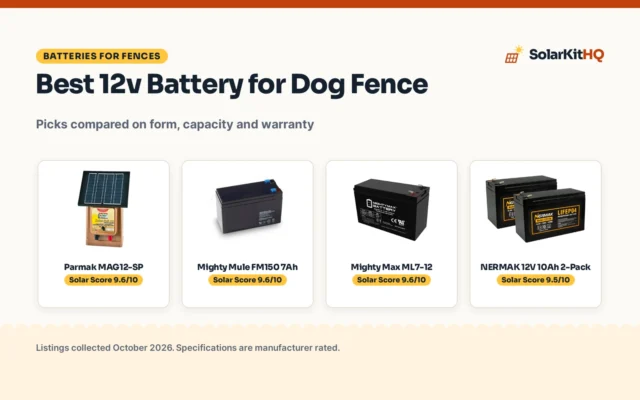
Best 12v battery for dog fence compared on stated form, capacity and warranty, with a solar fence charger leading on coverage.
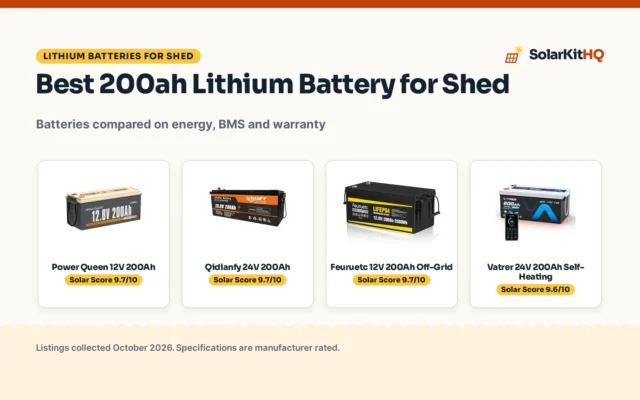
Five 200Ah LiFePO4 batteries for a shed compared on energy, BMS protections, cycle claims, cold weather behavior and warranty terms, with 12V and 24V…
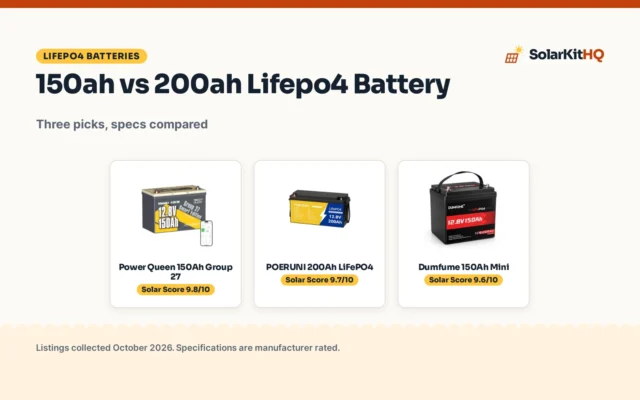
Two 150Ah and one 200Ah LiFePO4 batteries compared on capacity, BMS, low-temperature limits and warranty terms, with every figure taken from the listings.
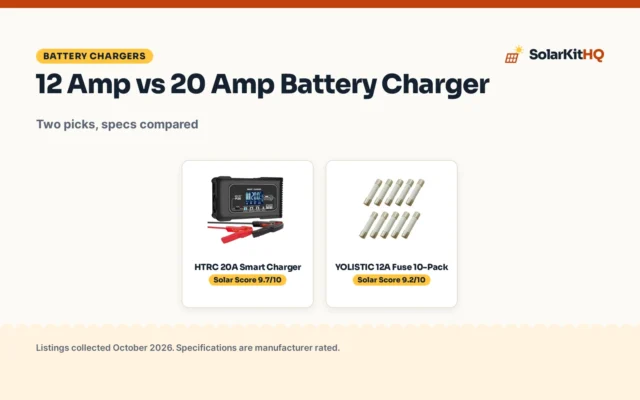
A 20A smart charger and a 12A fuse pack compared on output, battery types, protections and warranty terms, with every figure taken from the…
Battery pages cover storage, filling and watching the bank. The child pages split the topic so you can go straight to the part you need; these checks apply to all of them.
If you are replacing a battery, copy its chemistry, voltage, group size and terminal type from the old label. That one step answers most compatibility questions before you open a listing.