Camping and Emergency Gear
Chest vs Upright 12v Freezer: Which One Should You Buy?
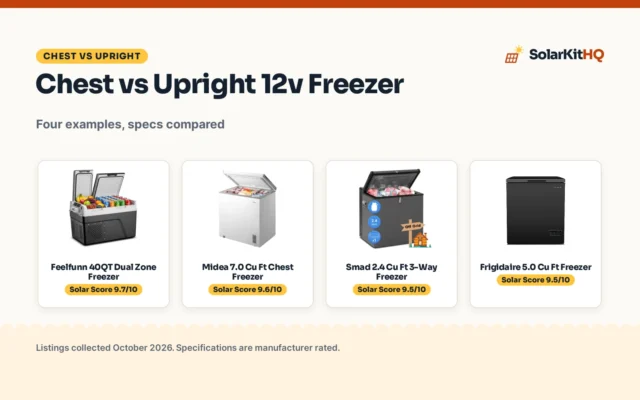
Two chest and two upright 12v freezers compared on stated capacity, power options, temperature ranges and warranty terms, with every figure taken from the…
Emergency radios, 12V fridges and coolers, solar showers and other camping and outage gear compared by stated power draw, battery capacity, charging options, capacity and weight.
Two chest and two upright 12v freezers compared on stated capacity, power options, temperature ranges and warranty terms, with every figure taken from the…
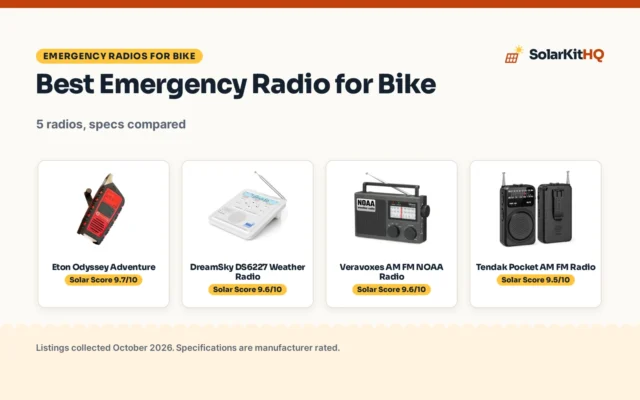
Best emergency radios for bike use compared on NOAA alerts, hand crank and solar power, pocket size and battery backup, with a title-only pick…
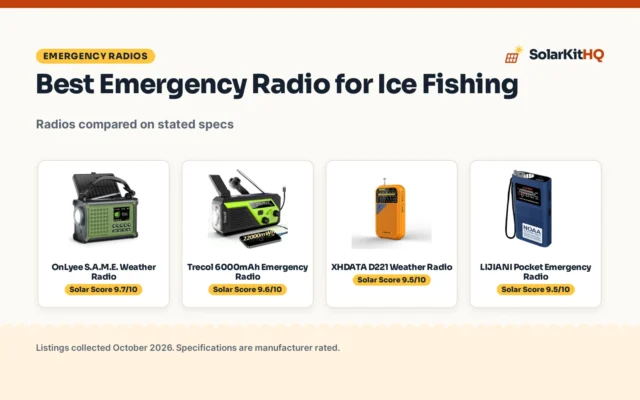
Emergency radios for ice fishing compared on NOAA bands, alert features, battery sizes, charging options and warranty terms, with every figure taken from the…
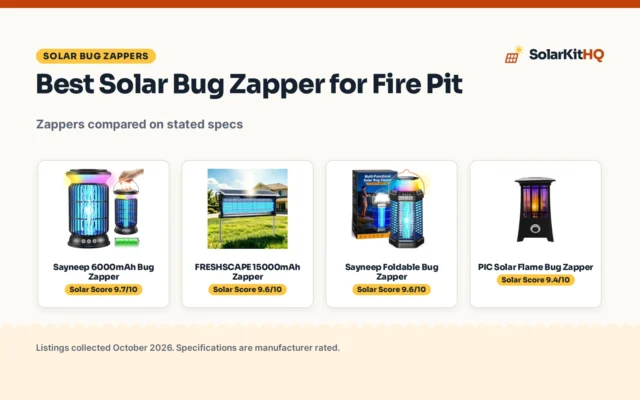
Solar bug zappers for fire pit gatherings compared on battery size, runtime, coverage, weather protection and warranty terms, with every figure taken from the…
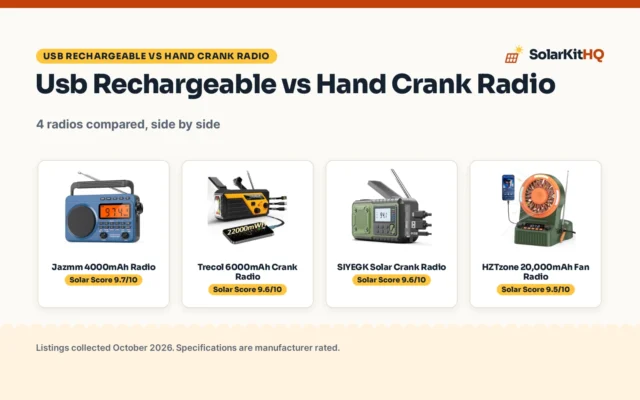
Usb rechargeable vs hand crank radio choice: 4 emergency radios compared on charging inputs, NOAA weather bands, lights, SOS alarms and warranty terms.
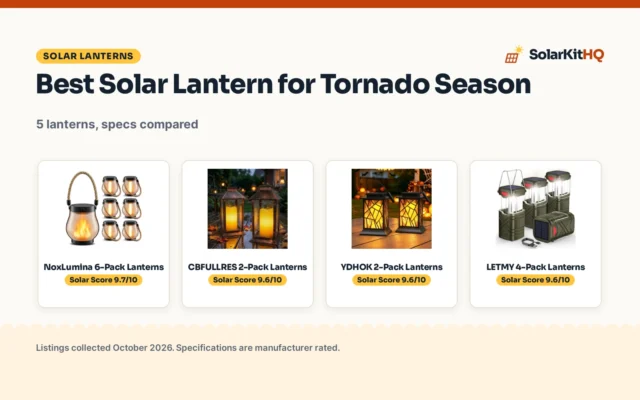
Flame-look and handmade solar lanterns compared by pack size, battery, runtime, stated weather code and stated warranty term.
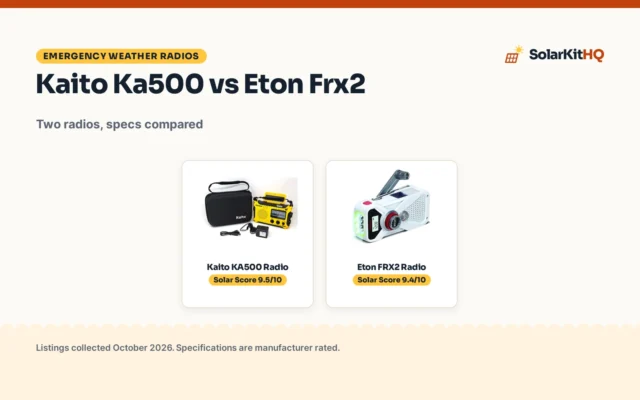
Kaito ka500 vs eton frx2 compared on bands, power, phone charging, flashlight, size and warranty terms, with a verdict on who should pick which…
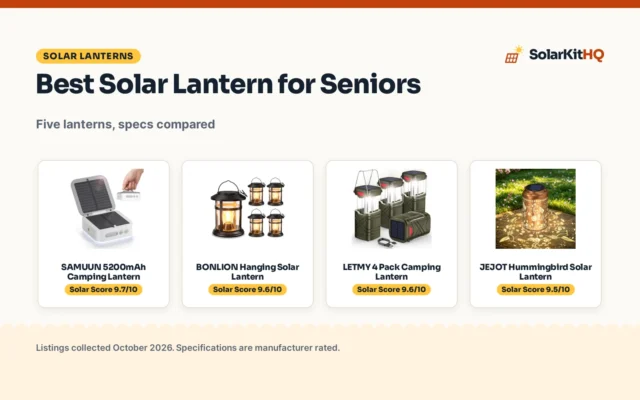
Five solar lanterns for older buyers compared on light output, power ways, weather ratings and warranty terms, with every figure taken from the listings.
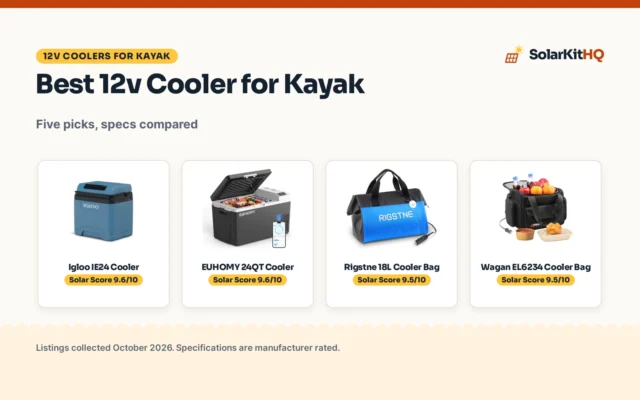
Five 12v coolers for kayak trips compared on stated capacity, cooling below ambient, warming figures, power and warranty terms.
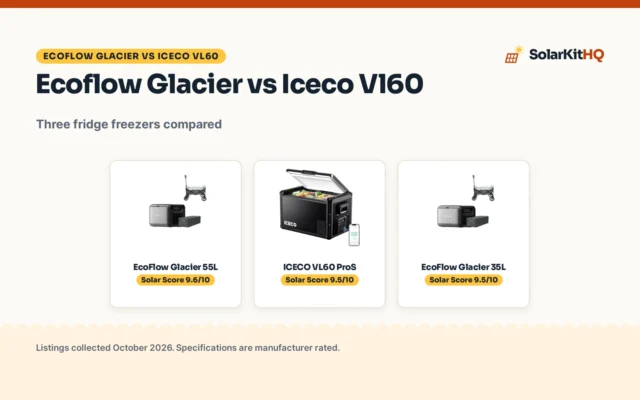
Ecoflow glacier vs iceco vl60 compared: two battery-powered EcoFlow Glacier sizes against the metal-bodied ICECO VL60 ProS on runtime, cooling and warranty.
Gear for camps and outages works best when each item has one clear job. Read the stated specs against what you really expect to use it for.
Choose gear in layers: a main light, a backup light, a way to charge phones and a way to keep food cold if needed. Each listing's stated specs show which layer an item can fill. Weight and packed size matter too, since the item you leave at home does no good when the lights go out.